
OC - Own your Closet
- May 20
- 4 min read
The fashion industry has a massive waste problem, and we all know it. But how do we actually change our habits without losing the joy of dressing up? OC – Own Your Closet is part of this years's ClimateLaunchpad cohort. They’re moving away from the "fast fashion" trap and building a community-driven ecosystem in Vienna that combines local swap events with smart tech. We asked them how they plan to bridge the gap between sustainability and style.

Who are you, and what does your startup do?
OC - Own Your Closet is building a circular fashion ecosystem that combines digital and
physical experiences to create a new way of wearing, sharing, and experiencing fashion.
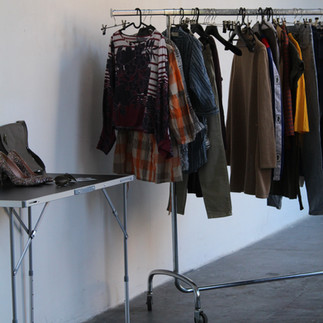
We started with curated clothing swap events in Vienna, where fashion, community, art,
food, and culture come together. Our swaps focus on high-quality and designer pieces only:
NO fast fashion like H&M, Zara, or Mango, but YES to brands like Boss, Marc Cain, or
Armed Angels. We want people to rediscover the value of fashion and experience
second-hand clothing in an elevated, inspiring way.
At the same time, we are developing a digital platform that allows users to swap, share, and
sell clothing through a credit-based subscription model. Users can upload pieces from their
closet, receive AI-supported pricing suggestions, and exchange fashion affordably and
conveniently. Our goal is to make circular fashion the new default.
OC is more than a fashion platform - it is a community for people who see fashion as a form
of self-expression, creativity, and conscious consumption.
What inspired your idea?
We both love fashion deeply - but at some point, we realized we could no longer enjoy it
the same way knowing how destructive the fashion industry has become for people and the
planet.
For Alex, the inspiration also came from studying fashion journalism and fashion
management. Fashion has such a rich artistic and cultural history: designers are artists to
me, and fashion can make people feel confident and empowered. But working in the industry
also revealed the darker side: overproduction, low quality, exploitation, and a system driven
almost entirely by profit. Working as a merchandise controller especially highlighted how
disconnected the industry often is from its environmental and social impact. That created a
strong desire to change the current system into one, where people, planet, and profit are
valued equally.
At the same time, we were inspired by many smaller sustainable and circular fashion
businesses who are already proving that another way is possible. We want to help scale this
shift in mindset by combining community, technology, and AI tools, making conscious fashion easier, more attractive, and more accessible.
What problem are you solving, and why does it matter for a sustainable future?
One of the biggest problems we want to solve is the attitude-behavior gap in fashion: many
people know fast fashion is harmful, yet they continue buying it. The reasons are simple:
convenience, affordability, accessibility and habit. We believe sustainable fashion needs to
become just as easy, fun, and desirable as traditional shopping. That’s why we are building a
platform and community experience around circular fashion. We want people to feel excited
and proud about wearing swapped, shared, and pre-loved pieces.
Beyond consumer behavior, the fashion industry creates enormous waste and environmental
damage. There are already enough clothes on this planet for generations to come, yet
millions of new garments are still produced every day, often from low-quality synthetic
materials that release microplastics and toxic chemicals into ecosystems.
Our mission is to extend the life of existing clothing, reduce unnecessary production, and
shift fashion consumption towards quality, longevity, and emotional value. We believe
fashion should be experienced as a lifestyle and creative expression, not as something
disposable.
Where are you currently and what are your next steps?
Currently, we are hosting quarterly curated fashion swap events in Vienna that combine
fashion with art, food, community experiences and local collaborations. These events allow
us to build a strong local community while testing new concepts around circular fashion experiences. Our next step is expanding these swaps and pop-up concepts to other cities
and collaborating more closely with sustainable and high-quality fashion brands.
On the digital side, we are developing the first MVP of our platform: test users can create
profiles, upload clothing items they no longer use and receive AI-supported recommendations for pricing and swapping credits. The platform aims to make sharing and
swapping fashion simple, attractive, and scalable through a subscription-based model.
The long-term vision is to connect closets, styling, swapping, resale, brands, and repair
services into one circular fashion ecosystem.
Where do you see yourselves in five years?
In five years, we want OC to become the leading one-stop platform for women who value
style, quality, and conscious consumption. We envision a future where swapping and sharing
fashion through OC becomes a normal and desirable alternative to constantly buying new
clothes. Our platform will connect users not only with each other, but also with sustainable
and circular fashion brands, repair studios, stylists, and curated experiences.
We see ourselves operating across Austria and Germany, with fashion swap events and
pop-ups in major cities and a strong digital community that makes circular fashion both
aspirational and accessible.
Most importantly, we hope to contribute to a larger cultural shift: helping people value fashion again, not through endless consumption, but through creativity, quality, and longevity.
Do you implement circular economy principles, and if so, how?
Circularity is the foundation of everything we are building.
In fashion, circularity is often reduced to recycling, but recycling should actually be one of the
last steps. We focus on the “R’s” that come before that: Refuse, Rethink, Reduce, Reuse,
Repair, Refurbish, Remanufacture, and Repurpose. Our goal is to maximize the use and
value of clothing that already exists instead of constantly producing new items. Through
swapping, sharing, repairing, restyling, and redesigning fashion, we help extend the lifecycle
of garments and reduce waste.
We also want to reconnect people emotionally with their clothing. When people value fashion
again, through quality, creativity, and storytelling, they naturally consume more consciously.
For us, circular fashion is not just about sustainability. It is about creating a completely new
relationship between people and fashion.





© Pictures Lablaete, Minela Grabovica, Martina Calderoni - mmetamorfosi


Comments